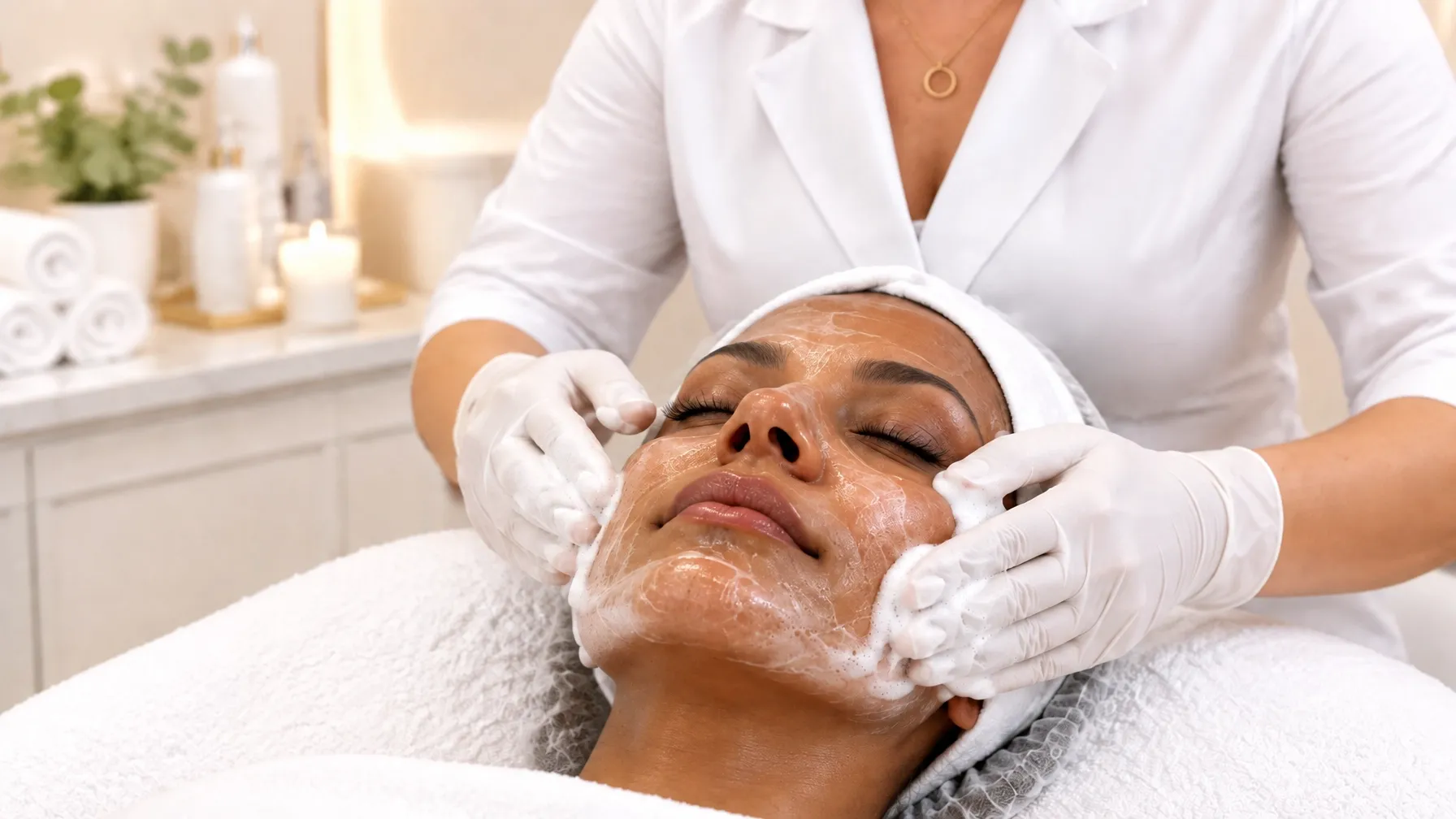
If your skin looks dull, feels rough, or seems congested no matter how carefully you cleanse at home, a deep cleansing facial may be a helpful next step. This treatment is designed to remove surface buildup, soften congestion, and support healthier-looking skin without relying on aggressive techniques.
At Lumeva Aesthetics in Columbia, MD, every facial is adapted to the person receiving it. With more than 30 years of skincare experience, Maryam takes time to look at the skin’s current condition before deciding which products, exfoliation methods, massage techniques, and extractions are appropriate. A deep cleansing facial should never be a one-size-fits-all treatment.
What Is a Deep Cleansing Facial?
A deep cleansing facial is a professional skincare treatment that focuses on removing excess oil, dead skin cells, makeup residue, environmental buildup, and congestion from the surface and pores.
Depending on your skin, the appointment may include:
- A thorough double cleanse
- Gentle exfoliation
- Warm steam or another method to soften buildup
- Professional extractions when appropriate
- A customized mask
- Hydrating or calming serums
- Moisturizer and sun protection
- Facial massage to support relaxation and circulation
The goal is not to make your skin feel stripped or overly dry. Instead, the treatment should leave your skin feeling cleaner, smoother, and more balanced while helping support the skin barrier.
A deep cleansing facial can be especially useful for people with oily, combination, or acne-prone skin. However, dry, sensitive, and mature skin may also benefit when the treatment is adjusted carefully.
What Can a Deep Cleansing Facial Help With?
A professional facial cannot permanently change your skin after one appointment, but it can address several common concerns and provide a helpful reset.
Clogged pores and blackheads
Oil, dead skin cells, sunscreen, makeup, and pollution can collect inside pores. Over time, this buildup may contribute to blackheads, whiteheads, and small bumps.
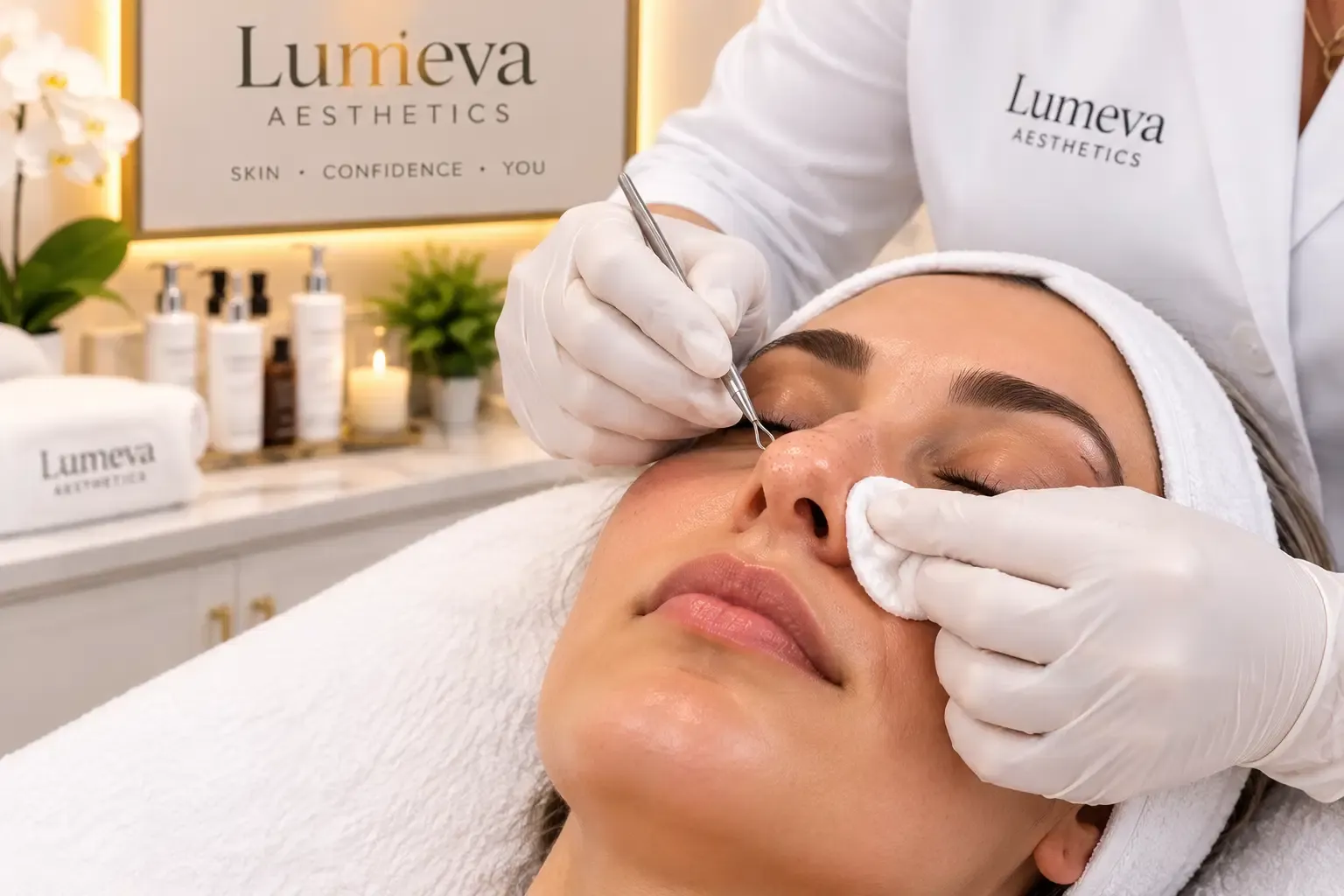
A deep cleansing facial uses cleansing, exfoliation, and, when appropriate, gentle extractions to help remove some of this congestion. Keeping pores clear may also make the skin look smoother and more even.
Excess oil
A facial does not stop the skin from producing oil, and it should not try to remove every trace of natural oil. Healthy skin needs some oil for protection. However, professional cleansing can help remove excess surface oil and reduce the heavy, congested feeling that often develops in the T-zone.
Your home routine, hormones, climate, medications, and stress all influence oil production. For that reason, ongoing results usually depend on both professional care and a consistent home routine.
Dullness and surface buildup
Dead skin cells can make the complexion appear tired or uneven. Gentle exfoliation helps lift some of this surface buildup, allowing the skin to look fresher and feel softer.
The right level of exfoliation depends on your skin. More exfoliation is not always better. Over-exfoliating can cause dryness, sensitivity, redness, and increased irritation.
Mild congestion associated with acne-prone skin
For some people, professional cleansing and extractions can help with mild, non-inflamed congestion. A deep cleansing facial may be considered as part of a broader approach to acne treatment in Columbia, especially when blackheads and whiteheads are the main concern.
It is important to understand that a facial is not a substitute for medical acne care. Painful, cystic, or persistent acne may require evaluation and treatment from a dermatologist.
What Happens During the Appointment?
A deep cleansing facial at a professional skin rejuvenation spa should begin with an assessment rather than a predetermined series of steps.
1. Skin consultation
Maryam first considers your concerns, skin sensitivity, current products, medications, recent treatments, and any changes you have noticed. This helps determine whether a deep cleansing facial is appropriate and how it should be adjusted.
2. Cleansing
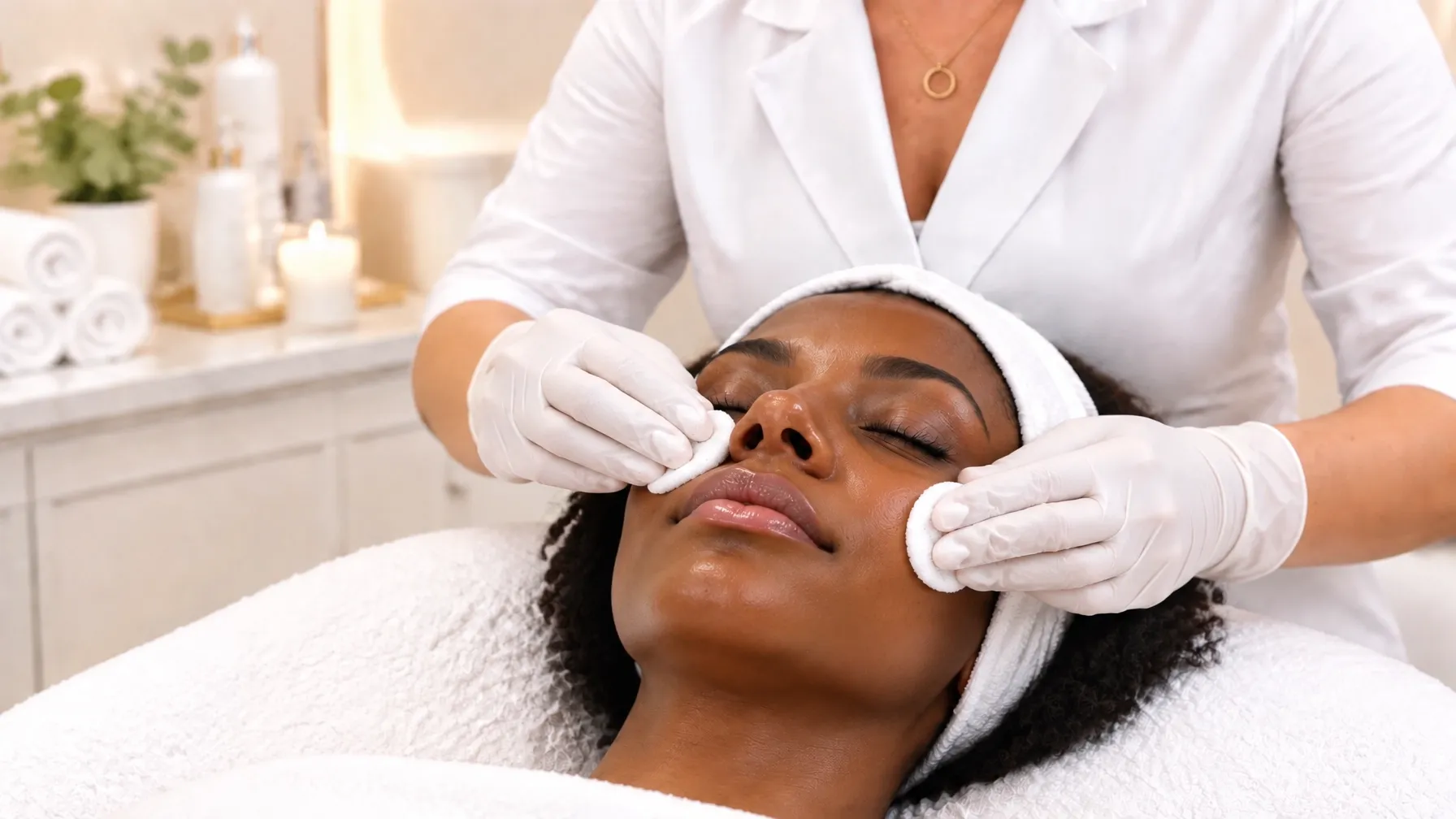
The skin is cleansed carefully to remove makeup, sunscreen, oil, and surface debris. A second cleanse may be used to prepare the skin for the next steps.
3. Exfoliation
A gentle exfoliant may be selected to loosen dead skin cells and surface buildup. The product and strength should be chosen according to your skin type and tolerance.
4. Softening and preparation
Warm steam or another preparation method may be used to soften oil and buildup. Steam is not suitable for everyone, particularly people with certain sensitivities or reactive skin, so this step should be personalized rather than automatic.
5. Professional extractions
If extractions are appropriate, they are performed carefully on selected areas. A skilled professional does not try to remove every pore or force congestion that is not ready to release.
6. Mask and calming products
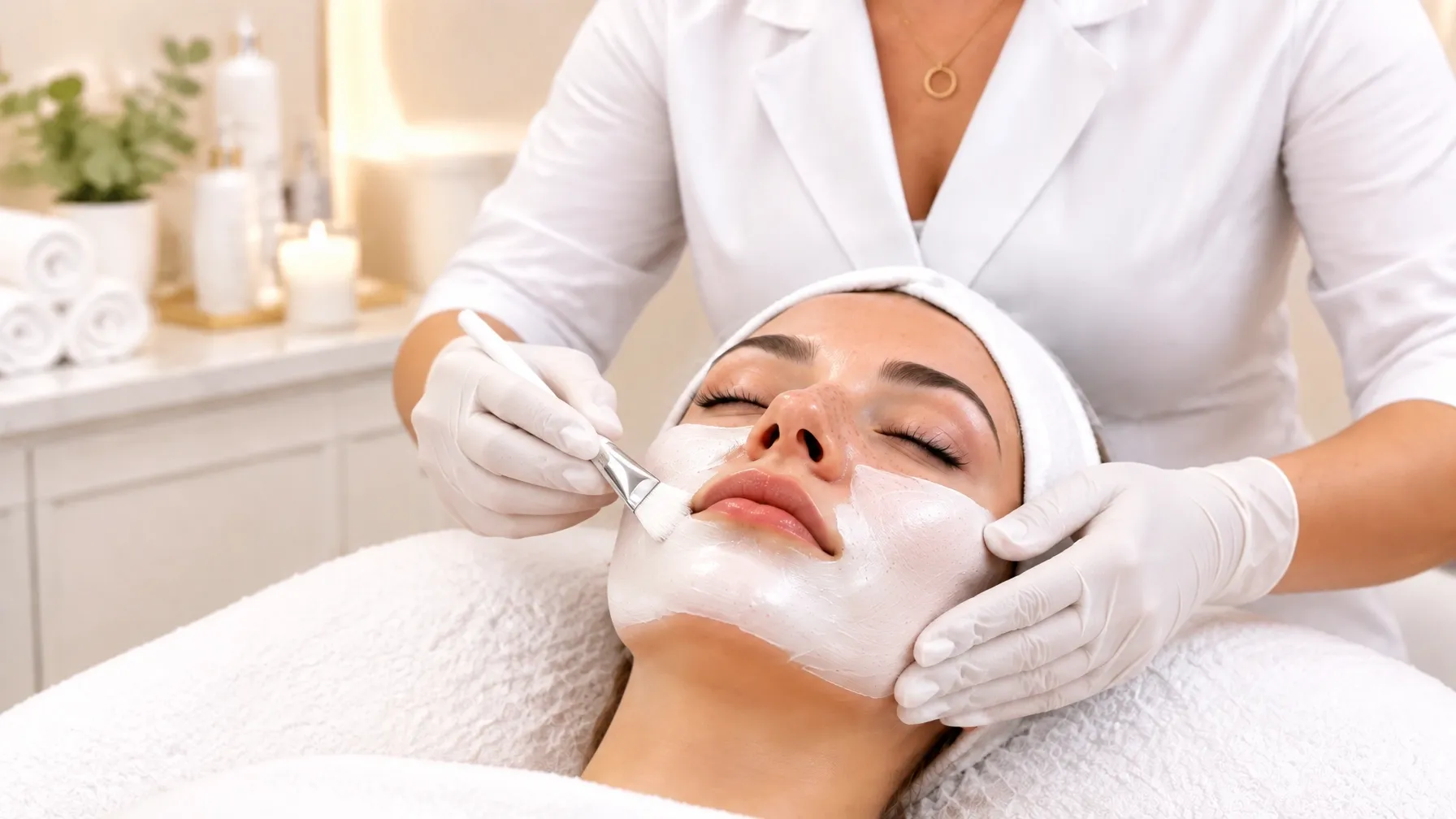
A mask may be selected to hydrate, soothe, clarify, or support the skin barrier. The products should reflect what your skin needs that day: not simply what was used during your last appointment.
7. Moisturizer, sun protection, and optional facial massage
The treatment usually ends with products that help replenish moisture and protect the skin. A facial massage may also be included when appropriate, providing a relaxing part of the experience while supporting comfort and circulation.
Why Gentle Extractions Matter
Extractions are often the step people think of first when they search for a “facial near me.” They can be useful, but they should never be rushed or aggressive.
Trying to squeeze blackheads or blemishes at home can increase irritation and may contribute to dark marks, broken skin, or scarring. Professional extractions should involve clean technique, appropriate preparation, and reasonable limits.
Some congestion may need more than one appointment or a dermatologist’s guidance. If a pore does not release easily, forcing it is not a sign of a better treatment. Protecting the skin is more important than removing every visible blemish in one visit.
After extractions, mild redness or temporary sensitivity can occur. These effects generally settle as the skin calms.
Deep Cleansing Facial vs. HydraFacial and Other Treatments
Different facial treatments address different concerns. The best choice depends on your skin and your goals.
Deep cleansing facial
A traditional deep cleansing facial combines hands-on cleansing, exfoliation, customized products, and extractions when appropriate. It is often a good choice for congestion, blackheads, excess oil, and dullness.
HydraFacial
A HydraFacial is a device-based treatment that typically combines cleansing, exfoliation, suction-based extraction, and serum infusion. It may be helpful for people who want a refreshed appearance, mild congestion support, hydration, or a more technology-based facial experience.
A HydraFacial is not automatically better than a traditional facial. The appropriate option depends on your skin, sensitivity, current concerns, and treatment history.
Microdermabrasion
Microdermabrasion focuses primarily on mechanical exfoliation of the outermost layer of skin. It may be considered for rough texture, dullness, or certain superficial concerns. It is not primarily an extraction treatment, and it may not be appropriate for every acne-prone or sensitive skin type.
Microchanneling
Microchanneling is a skin rejuvenation treatment that creates controlled microchannels to support collagen-related changes and improve the appearance of certain texture concerns. It is not a pore-cleansing facial and is generally chosen for goals such as uneven texture, fine lines, or acne-scar appearance.
These treatments should not be selected based only on popularity. A personalized consultation can help determine whether your main need is cleansing, hydration, exfoliation, collagen support, or medical acne care.
How Often Should You Get a Deep Cleansing Facial?
There is no universal schedule. Some people may benefit from a deep cleansing facial every four to eight weeks, while others may need treatments less often.
Your ideal timing depends on:
- Your level of congestion
- Oil production
- Skin sensitivity
- Acne activity
- Home skincare routine
- Seasonal changes
- Recent professional or medical treatments
More frequent treatments are not always better. If the skin is irritated, overly dry, sunburned, or recovering from another procedure, it may need time to heal before receiving additional exfoliation or extractions.
How to Prepare
Before your appointment, keep your routine simple. Avoid picking at the skin, attempting extractions at home, or using unusually strong exfoliating products.
Tell your skincare professional if you use prescription acne medication, retinoids, exfoliating acids, benzoyl peroxide, or products that make your skin sensitive. Also mention recent waxing, laser treatments, peels, injectables, or other procedures.
Arriving with clean skin is helpful, but you do not need to do anything complicated beforehand.
Deep Cleansing Facial Aftercare
After your treatment:
- Use a gentle cleanser and lukewarm water.
- Apply a simple, non-comedogenic moisturizer.
- Avoid picking, squeezing, or scratching the skin.
- Pause strong exfoliants and retinoids for the period recommended for your skin.
- Avoid intense heat, saunas, and strenuous exercise immediately afterward if your skin feels sensitive.
- Wear broad-spectrum sunscreen during the day.
- Follow any personalized instructions provided after your appointment.
Your skin may look brighter immediately, but meaningful improvement in congestion usually depends on regular care and realistic expectations. A facial can support your skin; it cannot replace daily cleansing, hydration, sun protection, or appropriate medical treatment.
When Should You See a Dermatologist?
A deep cleansing facial may not be appropriate for every skin concern. Consider seeing a dermatologist if you have painful cysts or nodules, significant acne scarring, rapidly changing pigmentation, a persistent rash, severe redness, or symptoms of rosacea, eczema, or psoriasis.
You should also ask for medical guidance before treatment if you are taking isotretinoin or other medications that affect the skin’s sensitivity or healing. When needed, professional skincare and dermatology can work together: a dermatologist can address an underlying condition, while an experienced esthetician can provide appropriate supportive care.
A Personalized Approach at Lumeva Aesthetics
If you are searching for a facial in Columbia, MD, the most important question is not simply which treatment is most popular. It is whether the treatment is appropriate for your skin today.
At Lumeva Aesthetics, Maryam brings more than 30 years of skincare experience to every appointment. Her approach is personal and practical: assess the skin, explain what is realistic, and choose the treatment that best fits your current needs. That may be a deep cleansing facial, HydraFacial, facial massage, another customized facial, or a recommendation to seek dermatology care first.
If you would like to learn whether a deep cleansing facial is right for you, book a complimentary skin consultation at Lumeva Aesthetics in Columbia, MD. You can schedule directly through GlossGenius.
This article is for general education and does not replace a medical diagnosis or treatment plan from a qualified healthcare professional.